 RSS Feed
 Spotify
  Apple Podcasts
  YouTube
 Chasing Pleasure, Finding Meaning: What I Got Wrong in 7.5 Years of Sobriety
Most people don't relapse because they wanted to drink. They relapse because they were still chasing pleasure — just in a legal package.
Anthony had 7.5 years of sober time before he picked up. In this episode, he breaks down the real reason long-term sobriety unravels: the war between pleasure and meaning, and why the recovery world is full of people white-knuckling a life they were never trained to actually want.
Covered in this episode: – The hedonic treadmill and why every "high" eventually feels like baseline – Anna Lembke's pleasure-pain balance (from Dopamine Nation) – Bruce Alexander's Rat Park study and why connection beats the lever – Cross-addiction: gym, golf, Instagram, work, achievement — the "ism swap" – Viktor Frankl, Dr. Joseph Lee, and the iPhone-vs-house metaphor that changed how Anthony sees addiction – Why "I don't need to feel good. I need to do good." is the line he comes back to
If you're newly sober and bored, or years in and quietly restless — this one's for you.
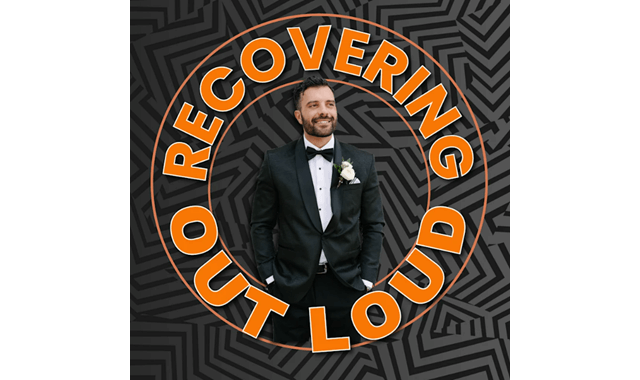
New episodes Tuesdays. Recovering Out Loud — real stories of addiction and recovery, no clinical voice, no guru energy.